Where our Ingredients come from
Where we get our ingredients separates our cookies from other brands. We believe customers should not only know what’s in their food but also where it comes from.
The Ingredients
-
Though our agriculture system has many labor issues, wheat produced in the USA is generally reported to be free of child and forced labor.
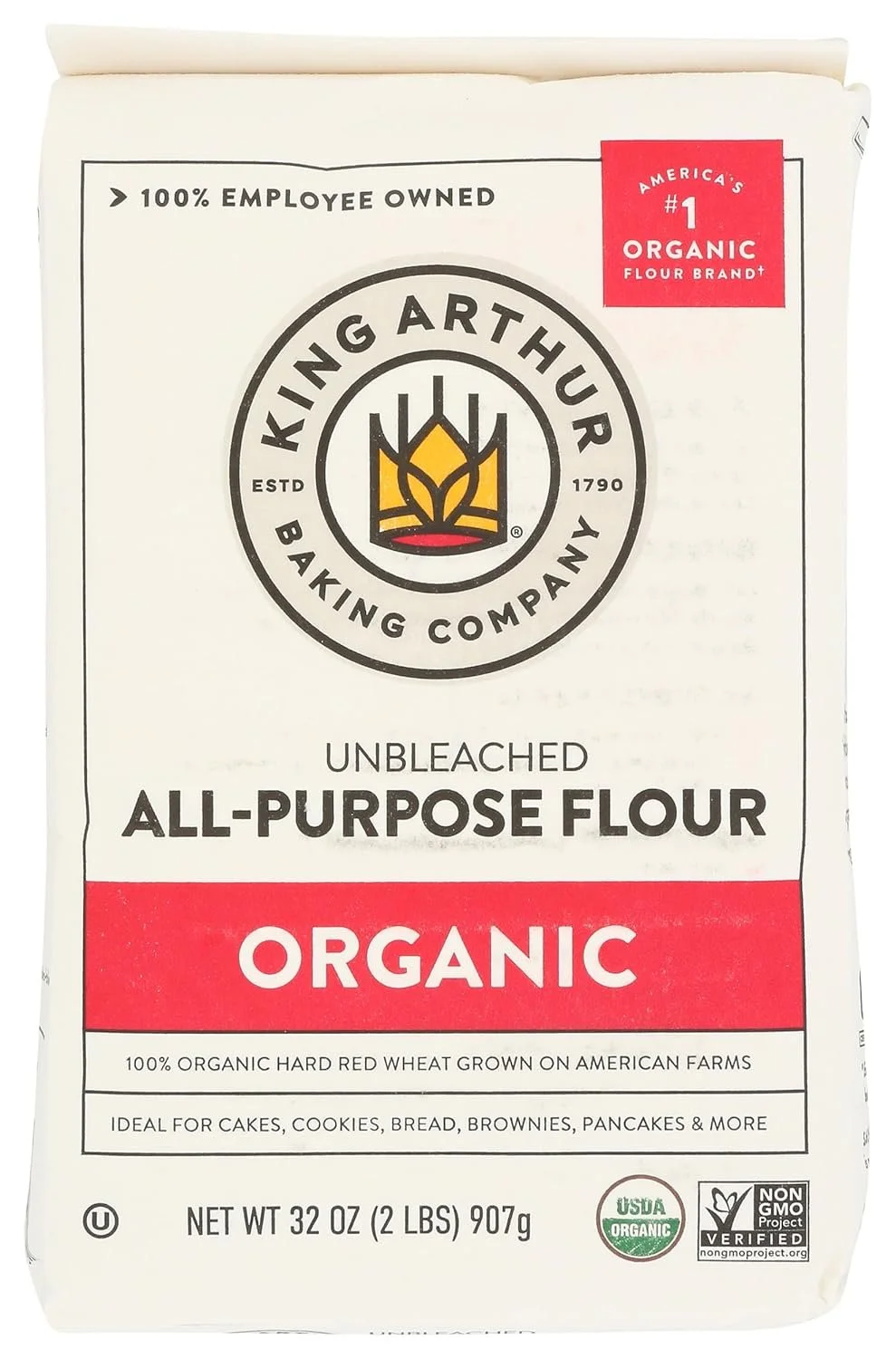
We use King Author Organic All-Purpose Flour. There business is 100% employee owned, farmed in the New England region (Vermont), and uses organic farming practices, making it more environmentally sustainable than non organic wheat.
-
The egg industry is not reported to use child or forced labor, however, the quality of life the chickens get vary heavily. From worst to best, chickens are farmed caged, cage free, free range, and pasture raised.
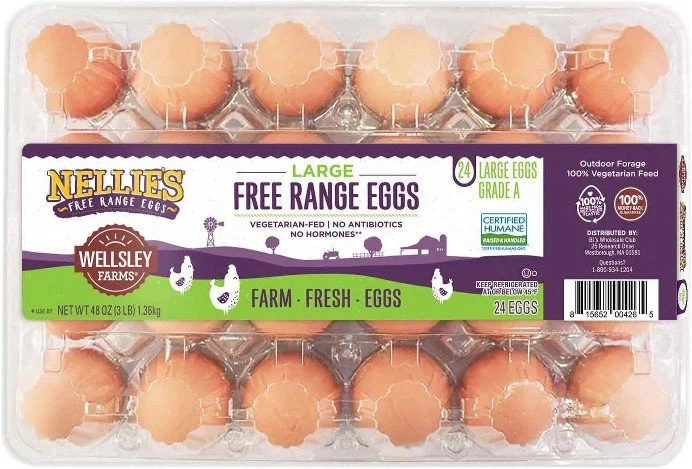
Our eggs come from Nellie’s, a farm local to New Hampshire. Nellie’s eggs are free range, and Certified Humane. This ensures they have outdoor space, proper nutrition, and veterinary care.
-
Unfortunately vanilla production is one of the leading goods produced with child and forced labor. Children make up 30% of the workforce in the SAVA region of Madagascar, the majority of them working on vanilla farms. Children are taken out of school, paid half the wages adults are, and subjected to long hours under dangerous conditions.
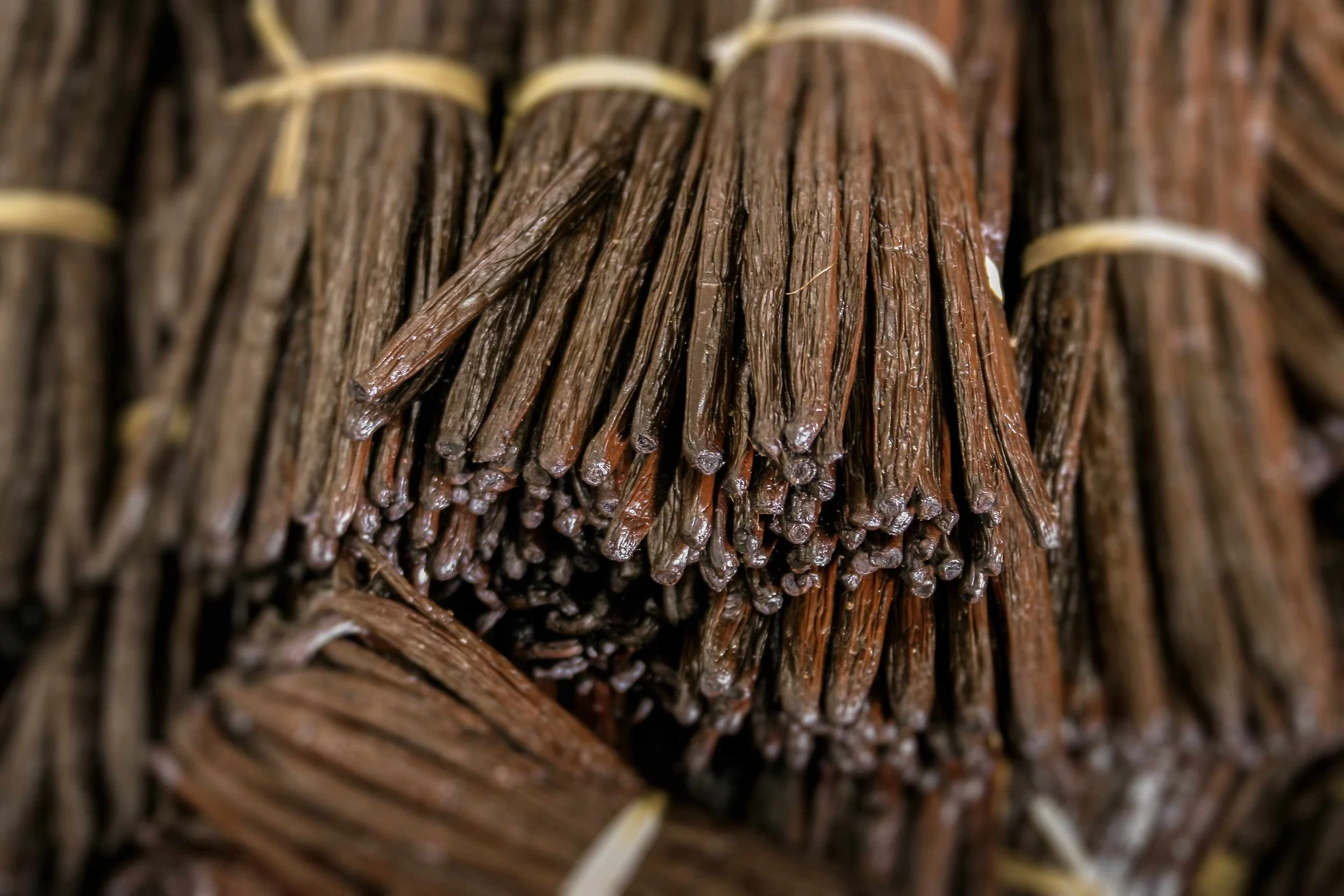
We use Sentrex Bourbon Vanilla Extract. Sentrex’s products are all USDA Organic, and they conduct investigations into their farms to ensure labor conditions are ethical, and Baldor distribution has also investigated their supply chain to commemorate their claims. Their vanilla is farmed in Madagascar
-
Unfortunately, cocoa production is one of the leading goods produced with child and forced labor. Children are trafficked, denied education, underpaid (if payed at all), and subjected to hard labor. Cocoa cannot be farmed locally, and largely contributes to deforestation.
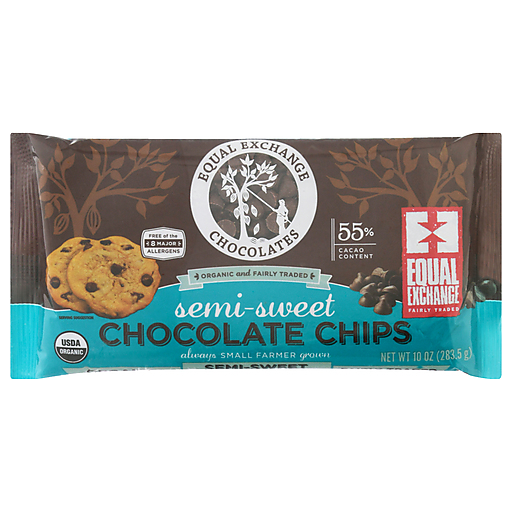
Knickerbocker Cookies uses Equal Exchange chocolate chips. Equal Exchange co-operates with small farms, making sure they make fair wages and do not us exploitative labor. They consider this to be a part of regenerative agriculture just as much as the farming practices themselves. Their cocoa is farmed in Peru, and they only farm organic.
-
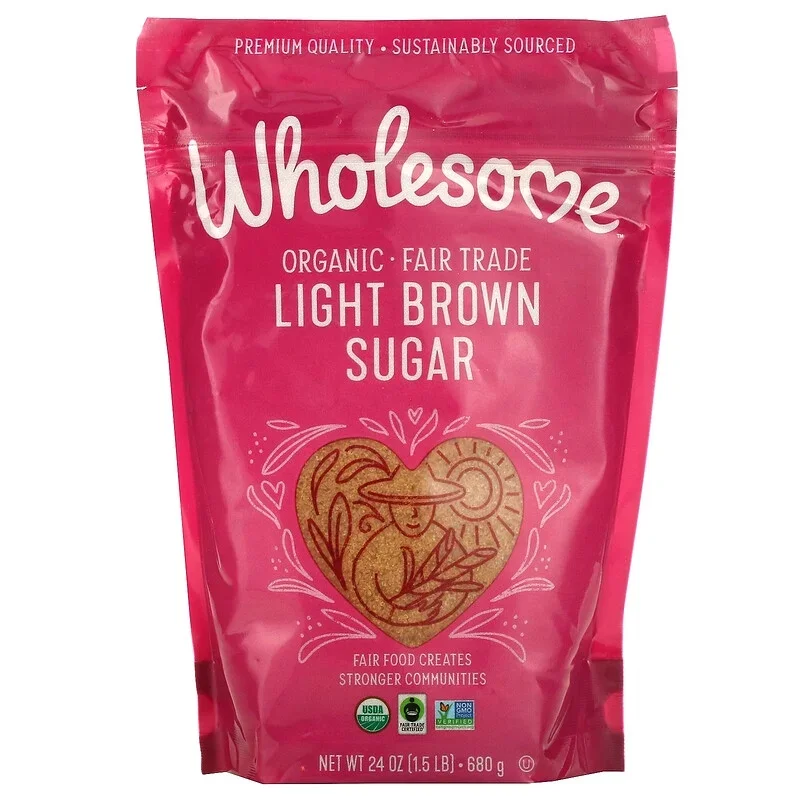
Sugar cane, the main source of white sugar, brown sugar, and molasses, is often farmed using child labor and exploitive labor. Families are made to work over 18 hour days. Children are made exposed to harsh pesticides and working with dangerous tools. They do not have access to schooling.
The farming of sugar cane also has an immense environmental impact. Sugarcane heavily contributes to deforestation, water consumption, pollution, and biodiversity loss. On the positive side, it also provides ethanol, a renewable lower net emission fuel source than fossil fuels.
Wholesome brand sugar prioritizes ethical conditions for their farmers and making a positive environmental impact. They were the first Fair Trade Certified sugar company in the USA, ensuring their working have safe working conditions and fair wages. They are also USDA Organic Regenerative Certified Organic. This means they not only meet the organic regulations on sythetic pesticide and fertilizers, but also the promotion of soil health, biodiversity, and supporting local economies. Their sugar is grown in Costa Rica, Colombia, Brazil, Paraguay, and Malawi.
-
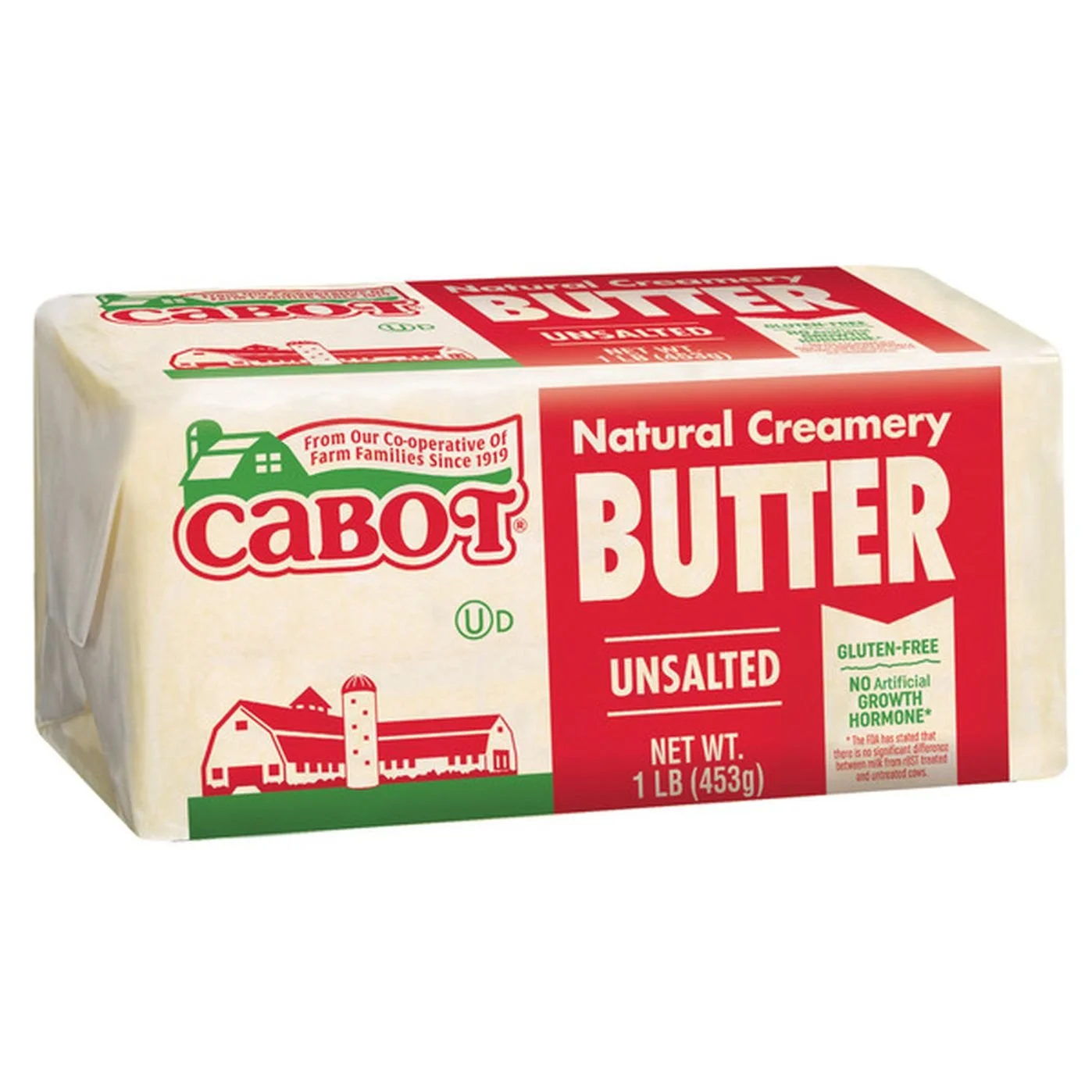
Dairy, like most of the USA agriculture, is not required to give pay its workers the minimum wage. Workers, especially undocumented immigrants, don’t make enough to
We get our butter from Cabot Creamery. Their farms are local to the New England region (Vermont), and they are B Corporation certified, meaning they follow strict social sustainability and environmental standards. They are a co-operative, and 100% of their proceeds go to their farmers.
-
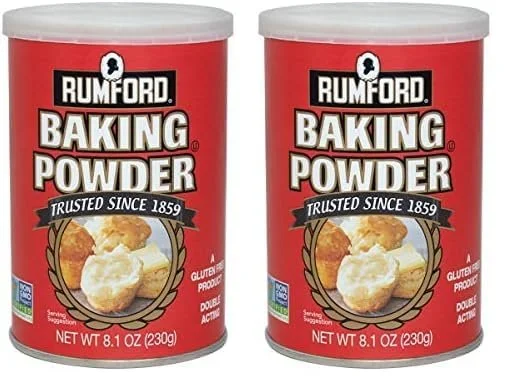
There is not much information about the supply chain or environmental impact of baking powder, but there doesn’t appear to be child or forced labor in the baking powder industry or any major environmental concerns.
We use Rumford’s Aluminum Free Double Acting Baking Powder because the final product has a better taste and texture when using a baking powder without aluminum and more leavening.
-
While the major salt producing countries do not have reports of child or forced labor, there are reports of child labor in salt mines in Afghanistan, Bangladesh, and Niger. These children work up to 19 hour days, are taken out of school, and work in dangerous mines. Salt companies don’t always divulge where or how their salt is harvested, so it can be difficult to trace.
We use Hannaford’s Ionized salt because it is produced in the USA, so there is a lower carbon footprint transporting it and it was not farmed with child labor.